

Graphite Rotor and Shaft
Why Choose Zibo Jinpeng Composite Materials Technology Co., Ltd.?

Zibo Jinpeng Composite Materials Technology Co., Ltd. is located in Wangcun Town, Zibo City, Shandong Province, which is a famous graphite carbon industry base in China. Our company mainly produces and processes graphite carbon materials. It has a complete production process and marketing system. It has been engaged in the production and processing of graphite products for more than 20 years. It has built its own production and processing process system and has three national invention patents. It has established extensive technical cooperation relationships with well-known domestic university laboratories such as Shandong University of Technology and Northwestern Polytechnical University and has produced graphite parts for many well-known companies. It has its own related industrial R&D system and testing and testing equipment.
Professional Technical Team
We have more than 20 years of experience and dozens of senior engineers in the graphite R&D, production and manufacturing industry. Whether it is the research and development of graphite raw materials, the precise processing of graphite parts, and the graphitization and purification of related products, our high-level technical team can customize professional solutions for you.
Wide Range of Applications
Our product application range includes the glass industry, high temperature furnace industry, refractory industry, plastics industry, semiconductor electronics industry, photovoltaic industry, pharmaceutical and chemical industry, aerospace industry, metallurgical industry, automotive industry, renewable energy industry, textile machinery manufacturing, glass machinery manufacturing.
Professional Service
Fully communicate with customers before sales, provide professional product suggestions and technical support according to customer needs, and ensure the high quality of products in manufacturing, packaging, logistics and other aspects. During the sale period, Zibo Jinpeng Graphite Factory not only provides on-time delivery services but also provides comprehensive after-sales technical support such as lifetime warranty, technical consultation and problem diagnosis to ensure customer satisfaction and trust. In terms of after-sales service, we attach great importance to customer feedback, promptly solve problems and concerns raised by customers, and continuously improve service quality and efficiency based on customer experience and suggestions.
Wide Product Range
Our main products are Graphite heating elements, Graphite felt & carbon felt & rigid felt, Graphite crucible, etc. At present, North America, Eastern Europe and Southeast Asia are Zibo Jinpeng's main international cooperation destination markets. Thanks to stable product quality and excellent material properties, the graphite products produced by Zibo Jinpeng have a high market share in the fields of smelting, chemical industry, and high-temperature industrial furnace accessories.

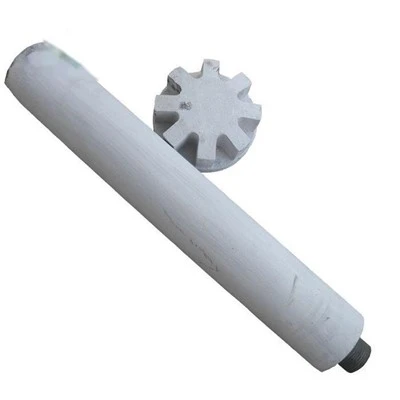
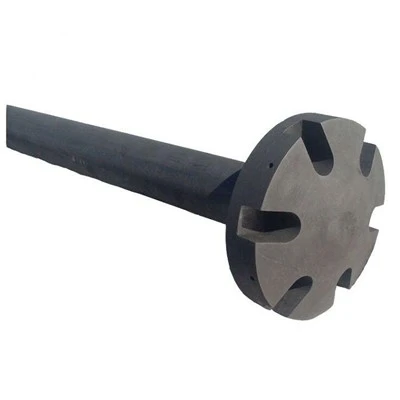
What are Graphite Rotor and Shaft?
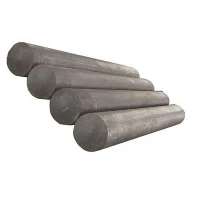
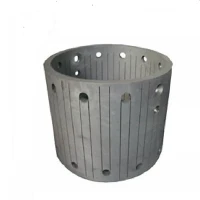
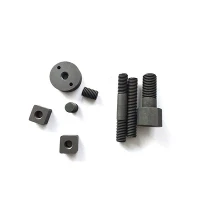
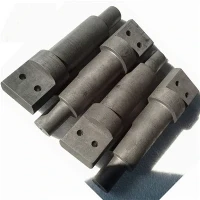
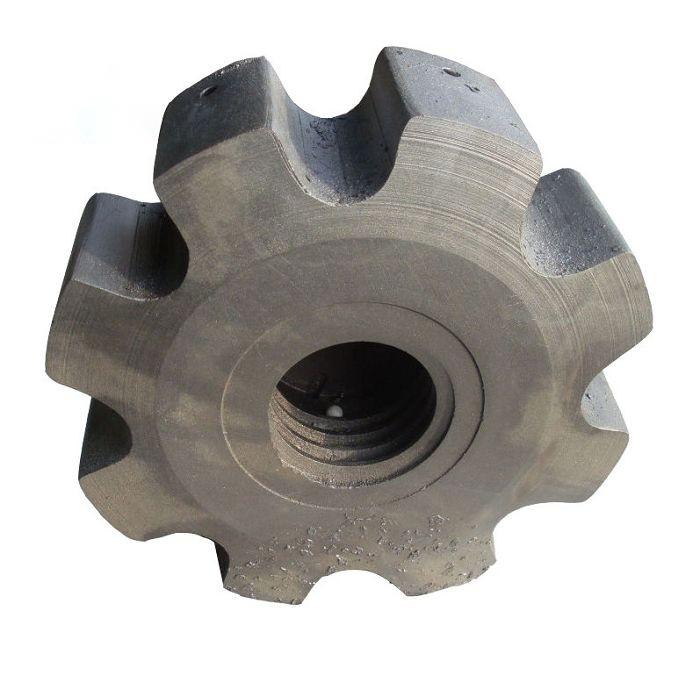
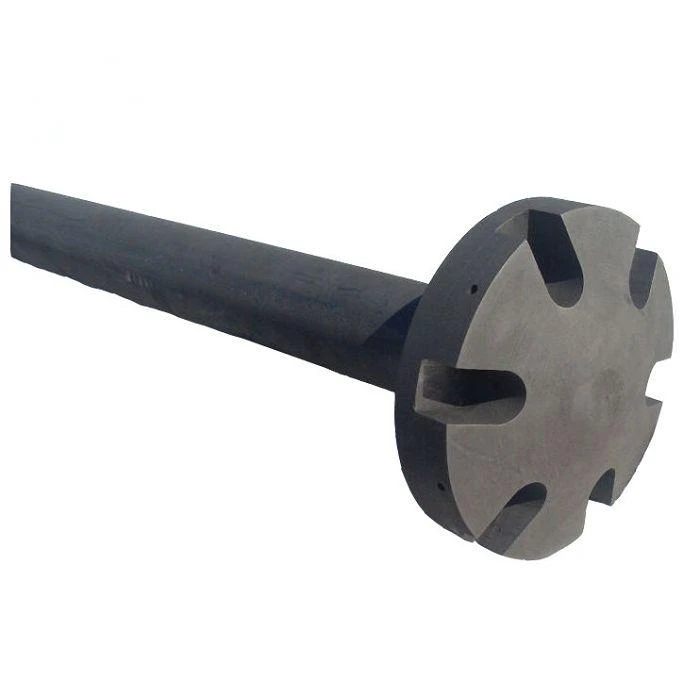
Graphite shafts and rotors are used in a range of degassing and fluxing operations. They allow for a more efficient kinetic mixing of metal and help decrease hydrogen and impurity levels in molten aluminium systems. This process significantly improves the quality of cast aluminium. Rotor and shaft set is necessary to inject inert gas and stir for degassing regarding both intermittent and continuous online degassing methods. Because of properties of heat-resistance, anti-oxidation, high strength and non- infiltration, graphite becomes the optimal choice for material of rotor and shaft, which is named graphite rotor/impeller and shaft set.
Features of Graphite Rotor and Shaft
*High mechanical strength, low coefficient of thermal expansion and good thermal shock resistance.
*Good chemical stability, and excellent resistant to acids, bases and organic solvents.
*No wettability to molten aluminum, and do not chemically react with aluminum.
Types of Graphite Rotor and Shaft
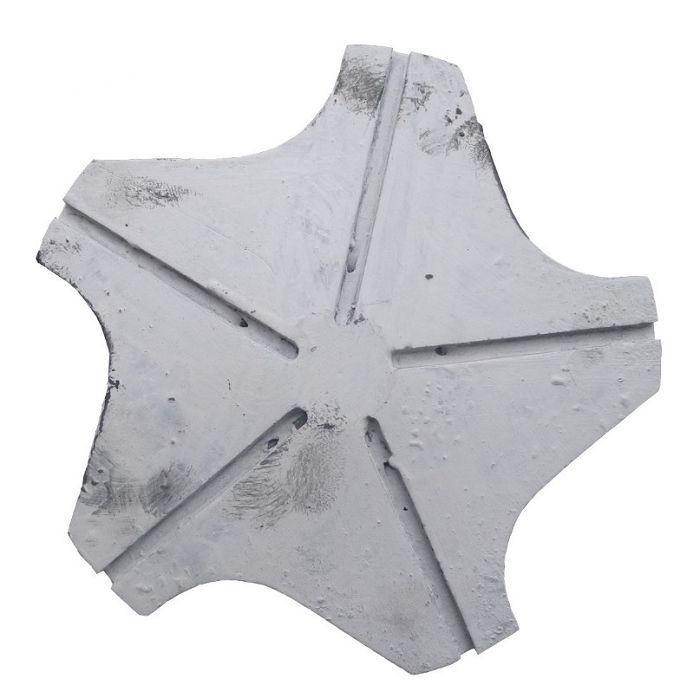
Graphite Rotor
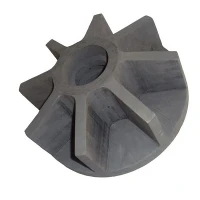
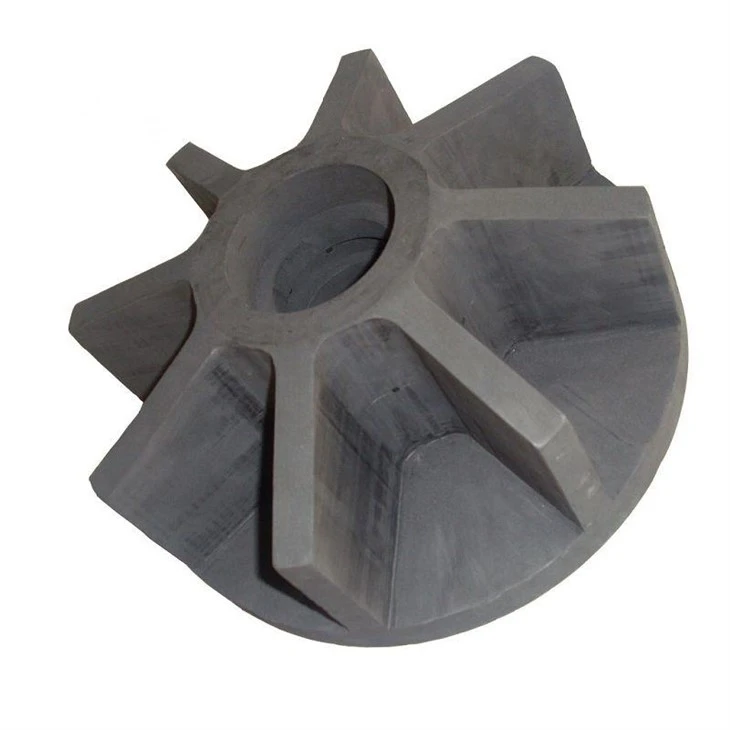
Aluminum degassing graphite rotor is a part of aluminum alloy smelting equipment, which can help remove hydrogen and oxidation residues. Aluminum degassing is a process used in the manufacturing of aluminum alloy castings. During the aluminum and aluminum alloy smelting process, hydrogen generated by chemical reaction with water vapor diffuses into the molten aluminum, causing internal structural defects in aluminum products. To avoid this defect, most aluminum plants use dissolved gas flotation to purify the molten aluminum by injecting inert gases such as nitrogen and argon into the molten aluminum. As inert gas diffuses and rises, hydrogen is brought to the surface of the molten aluminum.
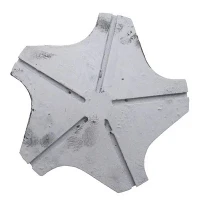
The aluminum degassing graphite rotor forms bubbles on the contact surface between the molten aluminum and inert gas, and increases the gas-liquid contact area, thereby accelerating the diffusion and removal of hydrogen. At the same time, the aluminum degassing graphite rotor can also adsorb and remove oxidization residues in the molten aluminum, and improve the quality and performance of the aluminum alloy.
Graphite Shaft
Graphite shafts are woven from carbon fiber and are generally lighter in weight than steel shafts. Graphite shafts became popular among amateurs, because lighter weight helped generate increased club-head speed. The carbon fiber also dissipated some of the stinging vibrations that were caused by poorly struck shots.
Benefits of Graphite Rotor and Shaft
Thermal Stability:
According to the quench acute thermal using conditions of graphite, we will specially design the production procedure, so as to ensure the reliability of product quality.
Corrosion Resistance:
Even and fine basic design will delay the erosion.
Impact Resistance:
Graphite can bear high thermal impact, so any process can be carried out.
Acid Resistance:
The adding of special materials will greatly improve the quality, especially its index of acid resistance, and will prolong the service life of graphite.
High Heat Conduction:
High content of fixed carbon ensures the good heat conduction, shorten the time of dissolution, and remarkably reduce the energy consumption.
Control Of Metal Pollution:
The component of material under strict control will ensure that graphite will not pollute the metals when dissolving.
Quality Stability:
The process technology of forming under high pressure and quality guarantee system will fully ensure the stability of quality.
Application of Graphite Rotor and Shaft
tire change & repair
Graphite is a versatile material that can be used in a variety of applications due to its unique combination of properties, including high strength, low density, and excellent thermal and chemical resistance. One such application is in the manufacturing of graphite rotors and shafts, which are used in a variety of industrial processes. Here are some of the key applications of graphite rotors and shafts.
Chemical Processing:
Graphite rotors and shafts are highly resistant to corrosion and chemical reactions, making them ideal for use in chemical processing. They can be used to handle aggressive chemicals such as acids, bases and halogens. Graphite rotors and shafts can be used in the production of fertilizers, explosives, and other chemicals.
Food Industry:
Graphite rotors and shafts are also used in the food industry because they are inert and do not react with foodstuffs. They can be used to mix, agitate and transfer a variety of materials in the manufacture of food products. They are also used in machinery used for the production of chocolate and other confectionary products.
Petrochemical Industry:
Petrochemical and refining processes often involve high temperatures and harsh chemicals. Graphite rotors and shafts can maintain their structural integrity even under these extreme conditions, making them essential components in machinery used for these processes.
Metallurgical Industry:
The metallurgical industry also benefits from using graphite rotors and shafts. They can be used to mix molten metals in furnaces and can withstand the high temperatures that are required for industrial processes such as steelmaking.
Textile Industry:
Graphite rotors and shafts are used in textile machinery because of their high strength and resistance to wear and tear. They are commonly used in spinning machines and looms, where they are used to guide the movement of yarn and other textiles.
Working principle of Graphite Rotor and Shaft
The working principle of the aluminum degassing graphite rotor is that the transmission system drives the graphite rotor to rotate, and inert gas (argon or nitrogen) is blown into the aluminum molten liquid through the rotor rod and nozzle. The high-speed rotating graphite rotor disperses the argon or nitrogen entering the aluminum molten liquid into many small bubbles, dispersed in the molten metal. When the bubbles contact each other, the bubbles in the molten liquid absorb hydrogen and oxidization impurities by relying on the gas pressure difference and surface adsorption principle, and are brought out of the molten liquid surface with the rise of the bubbles, thereby purifying the molten liquid.
How to Maintain Graphite Rotor and Shaft
Impregnation Anti-Oxidation Treatment
To extend the service life of the aluminum degassing graphite rotor shaft, we fill the pores of the graphite material with exclusive technology and nano-antioxidants, and cover the surface of the graphite rotor shaft to improve its heat resistance and anti-oxidation performance.
Coating Anti-Oxidation Treatment
Except for the threads, exclusive coating materials are applied to the impregnated anti-oxidation graphite rotor and shaft. The coating material does not penetrate into the aluminum, but adheres well to the graphite material. Due to its heat resistance, anti-oxidation, corrosion resistance, and abrasion resistance, the service life of the aluminum degassing graphite rotor and shaft is greatly extended after further coating treatment.
Local Reinforcement
Based on the actual application of the user, we can strengthen the most vulnerable parts at the lowest cost to obtain the longest service life of the aluminum degassing graphite rotor and shaft.
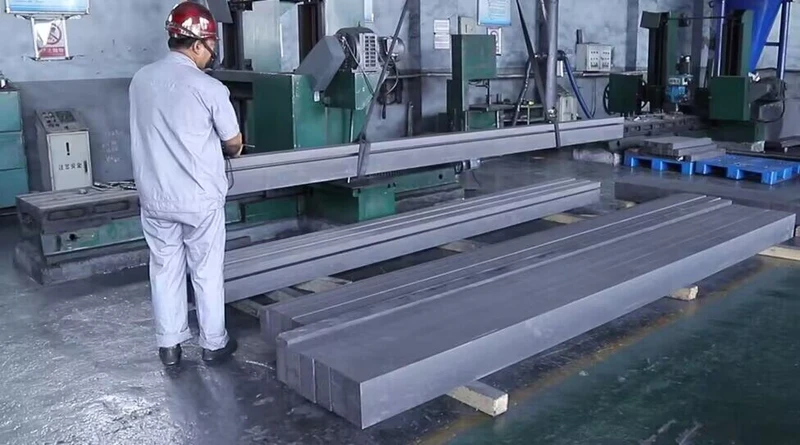
Our Factory
We have a complete factory production, quality supervision and delivery.

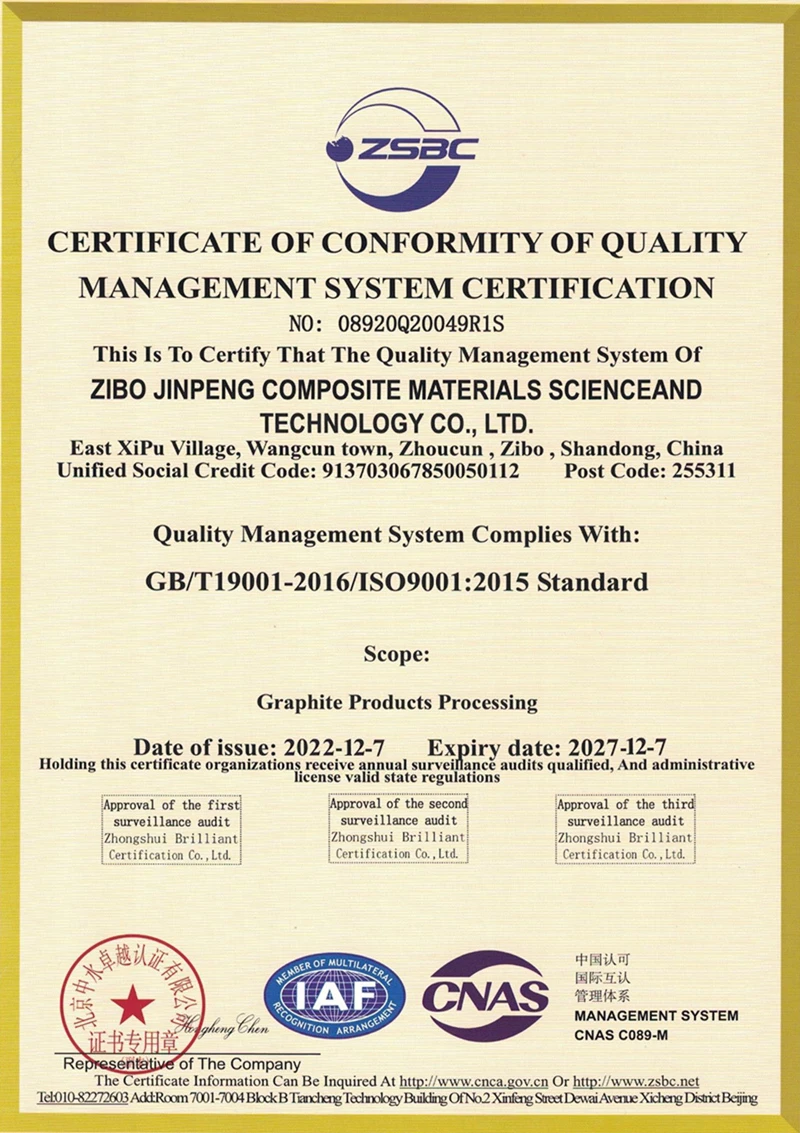
Our Certificate
At present, we have obtained the following certificates.
Ultimate FAQ Guide to Graphite Rotor and Shaft
Q: 1. What is a graphite rotor and shaft?
Q: 2. What are the properties of graphite?
Q: 3. What are the benefits of using graphite rotors and shafts?
Q: 4. What are the applications of graphite rotors and shafts?
Q: 5. How are graphite rotors and shafts made?
Q: 6. What kind of maintenance is required for graphite rotors and shafts?
Q: 7. How long do graphite rotors and shafts last?
Q: 8. How do graphite rotors and shafts compare to other materials?
Q: 9. How do graphite rotors and shafts perform in high-temperature environments?
Q: 10. What are the different types of graphite rotors and shafts?
Q: 11. What are the factors to consider when selecting graphite rotors and shafts?
Q: 12. What are the challenges of using graphite rotors and shafts?
Q: 13. Can graphite rotors and shafts withstand high-speed rotation?
Q: 14. What is the cost of graphite rotors and shafts?
Q: 15. How are graphite rotors and shafts tested for quality?
Q: 16. What is the maximum operating temperature for graphite rotors and shafts?
Q: 17. How are graphite rotors and shafts installed and secured?
Q: 18. Can graphite rotors and shafts be repaired?
Q: 19. What is the weight of graphite rotors and shafts?
Q: 20. What are the dimensions of graphite rotors and shafts?
Q: 21. What are the safety considerations when using graphite rotors and shafts?
Q: 22. What are the environmental benefits of using graphite rotors and shafts?
Q: 23. How do graphite rotors and shafts compare to traditional metal components?
Q: 24. How do graphite rotors and shafts contribute to sustainable manufacturing?
Q: 25. What is the role of graphite rotors and shafts in industrial automation?
Q: 26. Can graphite rotors and shafts be customized to meet specific requirements?
Q: 27. What is the role of graphite technology in renewable energy?
Q: 28. What are the future developments and trends in graphite rotor and shaft technology?
Q: 29. What are the potential applications for graphite rotors and shafts in space exploration?
Q: 30. Can graphite rotors and shafts be recycled?